Antarctica Cruises
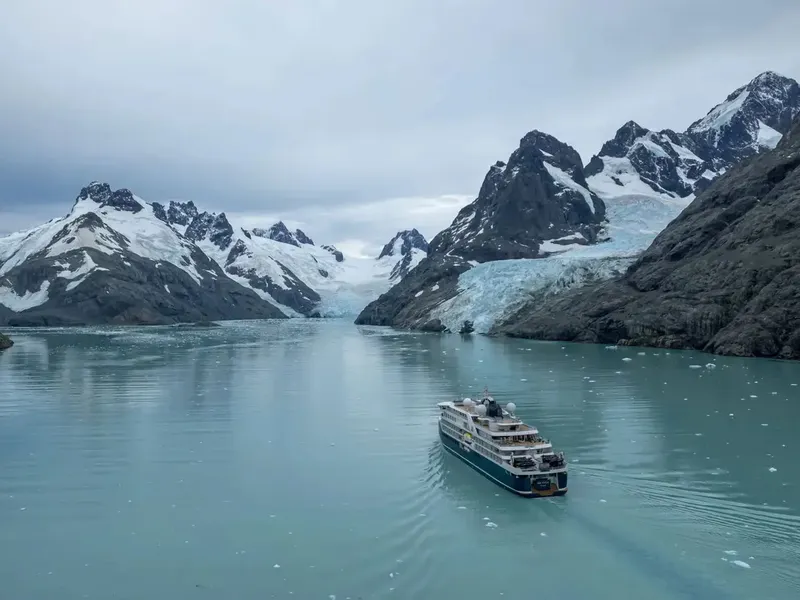
About Antarctica cruisesRead the full guideShow less
An Antarctica cruise is unlike almost any other trip available by ship, and it's worth understanding upfront that it's a genuinely different category of travel from a mainstream Caribbean or Mediterranean sailing. Instead of large resort ships with multiple pools and theaters, Antarctica is served by expedition vessels carrying a few hundred passengers at most, built for ice navigation rather than onboard entertainment. The reward for that different style of trip is a landscape and wildlife experience that very few places on earth can match — vast ice fields, colonies of thousands of penguins, and a sense of remoteness that's hard to replicate anywhere else humans can practically visit.
Where You Can Go
The overwhelming majority of Antarctica cruises depart from Ushuaia, Argentina — often called the end of the world — the southernmost city on the continent and the closest practical departure point to Antarctica. From there, ships cross the Drake Passage, roughly 48 to 72 hours of open ocean, to reach the South Shetland Islands and then the Antarctic Peninsula itself, where the actual landings and wildlife viewing happen. Once in Antarctic waters, itineraries typically spend several days working along the peninsula, with the specific landing sites decided day-to-day by the expedition team based on ice and weather conditions rather than a fixed schedule — this flexibility is a defining feature of expedition cruising and a real contrast to a scheduled port-a-day Caribbean itinerary. Longer, less common expeditions extend further to South Georgia Island, known for enormous king penguin colonies, and the Falkland Islands, adding significant extra days and cost but broadening the wildlife and scenery considerably.
Best Time to Sail
Antarctica can only be visited during the Southern Hemisphere summer, roughly November through March, when sea ice retreats enough for ships to navigate close to the peninsula — outside this window, the region is essentially inaccessible to tourism. Within the season, the experience shifts noticeably month to month. November and early December bring pristine, untouched snow and the start of penguin courtship and nest-building, appealing to photographers who want dramatic, unblemished landscapes. January and February are peak season, when penguin chicks have hatched and the weather is at its mildest, making this the most popular and often most expensive window. February and March bring the best whale-watching, as humpback and other whale species feed heavily before winter, along with the chance to see penguin chicks fledging. There's no wrong time within the season, but which wildlife behavior matters most to you should genuinely influence when you book.
Types of Itineraries
The most common Antarctica itinerary runs 10 to 11 nights round trip from Ushuaia, covering the crossing both ways and roughly 4 to 5 days actually exploring the peninsula. Shorter fly-cruise options exist on some operators, flying passengers directly from Punta Arenas or Ushuaia to King George Island to board the ship there, skipping the Drake Passage crossing on the way down — this cuts several days off the trip and avoids the crossing for those concerned about seasickness, at a meaningfully higher cost. Longer expeditions of 18 to 23 nights add South Georgia and the Falkland Islands, turning the trip into a broader sub-Antarctic wildlife journey rather than a peninsula-only visit, and are generally aimed at repeat expedition travelers rather than first-timers.
Cruise Lines and Ships
Antarctica is served by expedition-focused operators rather than mainstream cruise lines — Quark Expeditions, Hurtigruten, Silversea Expeditions, Ponant and Lindblad Expeditions-National Geographic are among the more established names. Ships are purpose-built or ice-strengthened, typically carrying anywhere from under 100 to around 500 passengers, which is a fraction of the size of a mainstream cruise ship — the practical benefit is that smaller passenger counts mean everyone gets more Zodiac landing time and closer wildlife encounters, since international agreements limit how many people can be ashore at a landing site at once. Onboard, expect a strong focus on expedition staff — naturalists, historians and glaciologists — who lecture throughout the voyage and lead the shore landings, rather than the entertainment-focused programming typical of a Caribbean ship.
What's Typically Included and What to Budget For
Expedition cruise fares generally include considerably more than a mainstream cruise by default — Zodiac excursions, landings, and expedition team lectures are usually bundled into the base price rather than sold as add-ons, since they're core to the whole experience rather than optional extras. What's typically not included is the flight to Ushuaia or Punta Arenas (both are a genuine journey from most of the world), specialized cold-weather gear beyond what the operator provides, and travel insurance specifically covering trip interruption — given how remote the region is, comprehensive insurance is worth taking seriously rather than treating as optional.
Getting There and Practical Tips
Reaching Ushuaia typically means flying into Buenos Aires first and connecting onward, so budget real travel time and consider arriving a day or two early to allow a buffer against flight delays before a departure you likely booked months in advance. Most expedition operators provide or require specific gear — a waterproof expedition parka is commonly included, but sturdy waterproof boots for wet Zodiac landings are usually the traveler's own responsibility, and a detailed packing list is typically sent well ahead of departure. The Drake Passage crossing has a real reputation, ranging from calm (Drake Lake) to rough (Drake Shake), and while ships are built and stabilized for it, seasickness medication is worth having on hand regardless of how you normally handle motion.
Who This Destination Suits
Antarctica suits travelers who prioritize a genuinely once-in-a-lifetime wildlife and landscape experience over onboard amenities, and who are comfortable with a less rigidly scheduled itinerary that adapts to weather and ice conditions day by day. It's a strong fit for serious photographers, wildlife enthusiasts, and anyone who's already done more conventional cruising and wants something categorically different. It's a less natural choice for travelers who want guaranteed daily port stops, extensive onboard entertainment, or a lower price point — this is one of the more expensive and logistically involved cruise categories available, and it rewards travelers who go in with realistic expectations about both the cost and the physically active, weather-dependent nature of the trip.
Conservation and Responsible Travel
Antarctica is one of the most tightly regulated tourism environments on earth, and reputable operators build their itineraries around rules set by the International Association of Antarctica Tour Operators (IAATO), which governs everything from how many passengers can be ashore at a single landing site at once to strict biosecurity procedures designed to prevent introducing foreign seeds, soil or organisms to this genuinely pristine environment. Before every landing, passengers typically go through boot and clothing decontamination, and equipment like walking poles or camera bags gets checked too. Wildlife viewing distances are also regulated — you won't be permitted to approach penguin colonies or seals closer than a set minimum distance, though in practice the animals themselves are often curious enough to approach visitors who stay still. This level of care is part of why an Antarctica expedition feels different from ordinary tourism: every operator running serious itineraries here treats the continent's fragility as central to the trip, not an afterthought, and travelers who go in understanding this tend to appreciate the landings considerably more than those expecting a more conventional, unrestricted shore excursion.
Antarctica Cruises and Tour Packages from Dubai
There's no direct flight from Dubai to Antarctica — nowhere in the world has one, since Antarctica has no scheduled commercial air links at all. What Dubai-based travelers are usually searching for is a packaged trip: international flights from Dubai to Buenos Aires (typically with one stop, since no airline currently flies the route nonstop), a domestic connection down to Ushuaia, and then the expedition ship itself for the Drake Passage crossing and the peninsula. Booking this as a single coordinated package — rather than piecing together flights and a separate cruise booking — is what most Dubai and wider-Gulf travelers mean by an "Antarctica package from Dubai," and it's the sensible way to handle a trip with this many connecting legs and a departure city, Ushuaia, that few long-haul travelers will have booked flights to before. Total travel time from Dubai to Ushuaia typically runs 24 to 30 hours door-to-door across two or three flight segments, so most Dubai-based travelers build in at least one overnight stop — either in Buenos Aires on the way down or as a buffer day before the ship's fixed departure — rather than attempting the connection same-day. Given how far in advance Antarctica sailings are typically booked, and how weather-dependent the Drake Passage crossing can be, building a day of slack into the outbound journey is worth the extra hotel night for most travelers making this trip from the Gulf.
Questions people ask about Antarctica cruises



.png)

.svg.webp)